First Iteration
PDMS
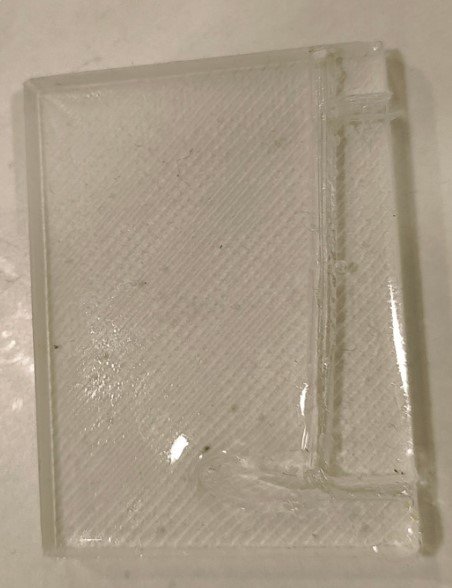
Methodology. Polydimethylsiloxane was chosen for its flexibility, biocompatibility, and microfluidic potential. A mold was cast, cured at room temperature, and embedded with electrodes for sensing conductivity.
Usage. Sweat or saltwater samples were placed on the PDMS surface, and the embedded electrodes measured resistance and conductance.
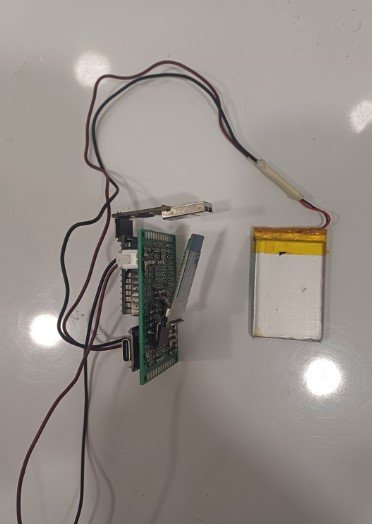
Arduino ProMini
Methodology. A ProMini with 10-bit ADC resolution read analog voltages from the PDMS terminals, paired with an HC-05 Bluetooth module for wireless transmission.
Usage. Voltage differences from sweat-induced conductivity were converted to analog signals and transmitted wirelessly for calibration to salinity.
Final Prototype
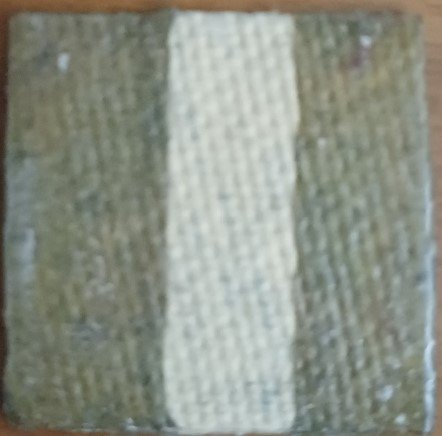
Handmade Paper
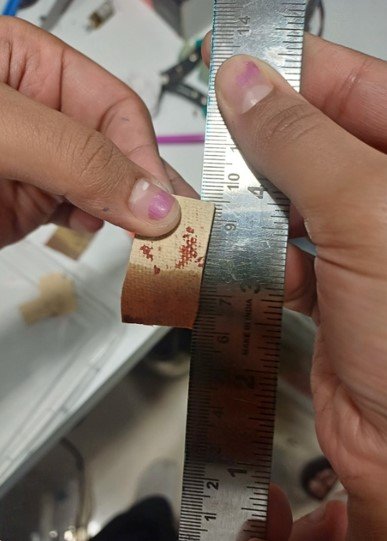
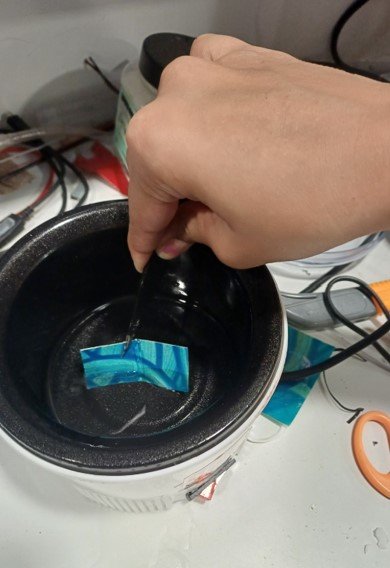
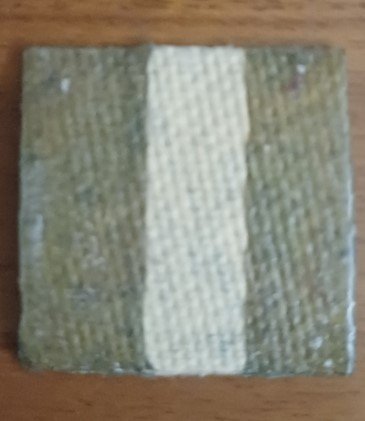
Methodology. Locally sourced handmade paper, cut into strips and treated with hydrophobic paraffin wax to force samples onto a fixed conducting area. Its fibrous structure draws sweat directly from the skin by capillary action. Electrodes were placed at a fixed distance to form a simple, low-cost conductivity cell.
Usage. The paper collected real sweat from swimmers, and conductivity was measured by placing the paper sample in the device, where it contacts the copper electrodes. Its disposability made it ideal for in-pool use with minimal contamination or carryover.
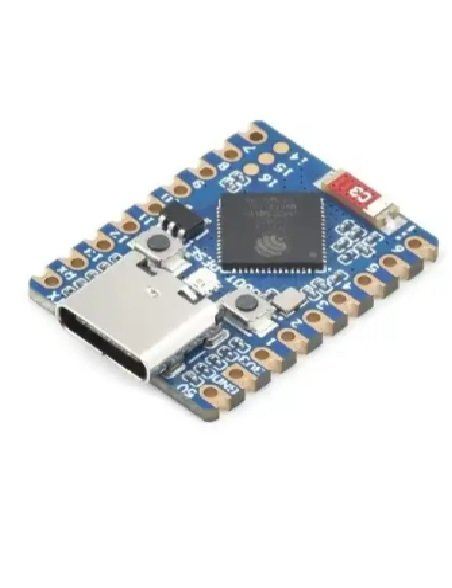
ESP32-S3 Mini
Methodology. Coded in C++ and HTML, the ESP32-S3 Mini processes input from the sweat electrodes and heart-rate sensor. Its 12-bit ADC gives high-resolution salinity and pulse readings.
Usage. With built-in WiFi and its own IP address, it hosts a live dashboard on any connected device — no app, no pairing — for real-time salinity and heart rate from a phone or laptop.
Heart Rate Monitor & Sweat Sensor
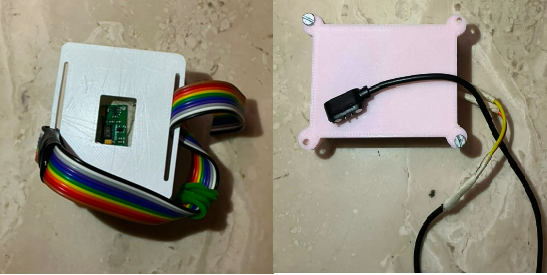
The system displays both the sweat salinity trend and BPM changes over time, enabling detection of dehydration or fatigue based on sudden increases in either parameter. The key innovation lies in the integration of both biometric and biochemical feedback into a compact, wireless, and real-time platform, allowing swimmers and coaches to make informed decisions to ensure athlete health and performance mid-session without interrupting training.
Handmade paper — the making process